














XConf APAC 2025 | Vietnam

When discussing gender equity, it’s easy to fall into assumptions that unintentionally hold us back.
One common belief is that equity will happen naturally: if diverse candidates exist, they will show up in equal numbers. A related assumption is that if a pool lacks diversity, it must reflect a lack of available candidates. In practice, we’ve found this isn’t the case.
Another belief is that actively encouraging broader participation introduces bias or unfairness. These perspectives are understandable, but they don’t always reflect the realities of an uneven playing field.
What we’ve learned over many years at Thoughtworks is that creating equity in an imbalanced industry takes deliberate effort. It requires conscious choices at every stage of a process. This isn’t about lowering the bar. It’s about recognizing that existing systems haven’t consistently created equal access, and being thoughtful about how we invite, support and surface all qualified voices.
One place where this comes to life is our flagship conference, XConf.
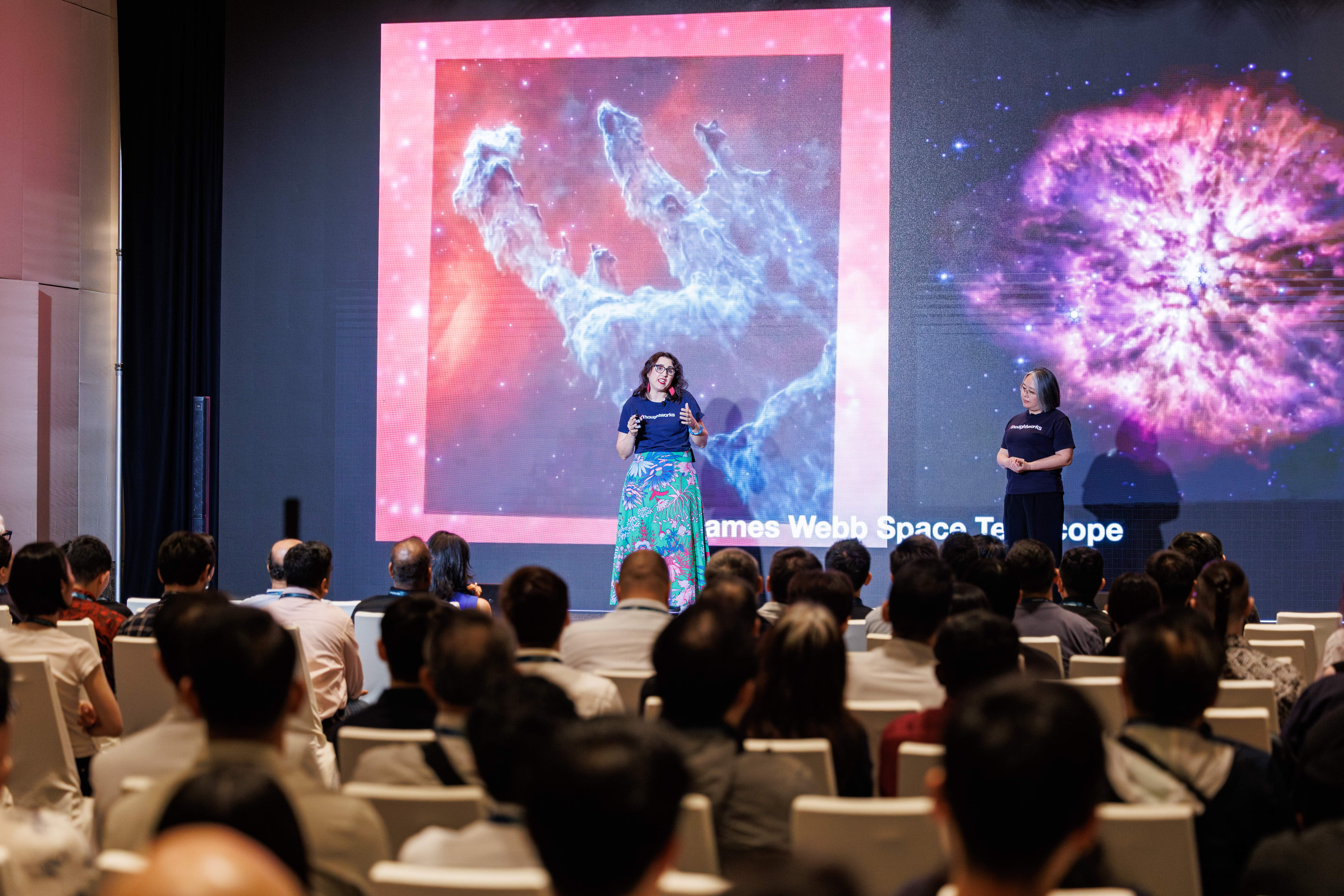
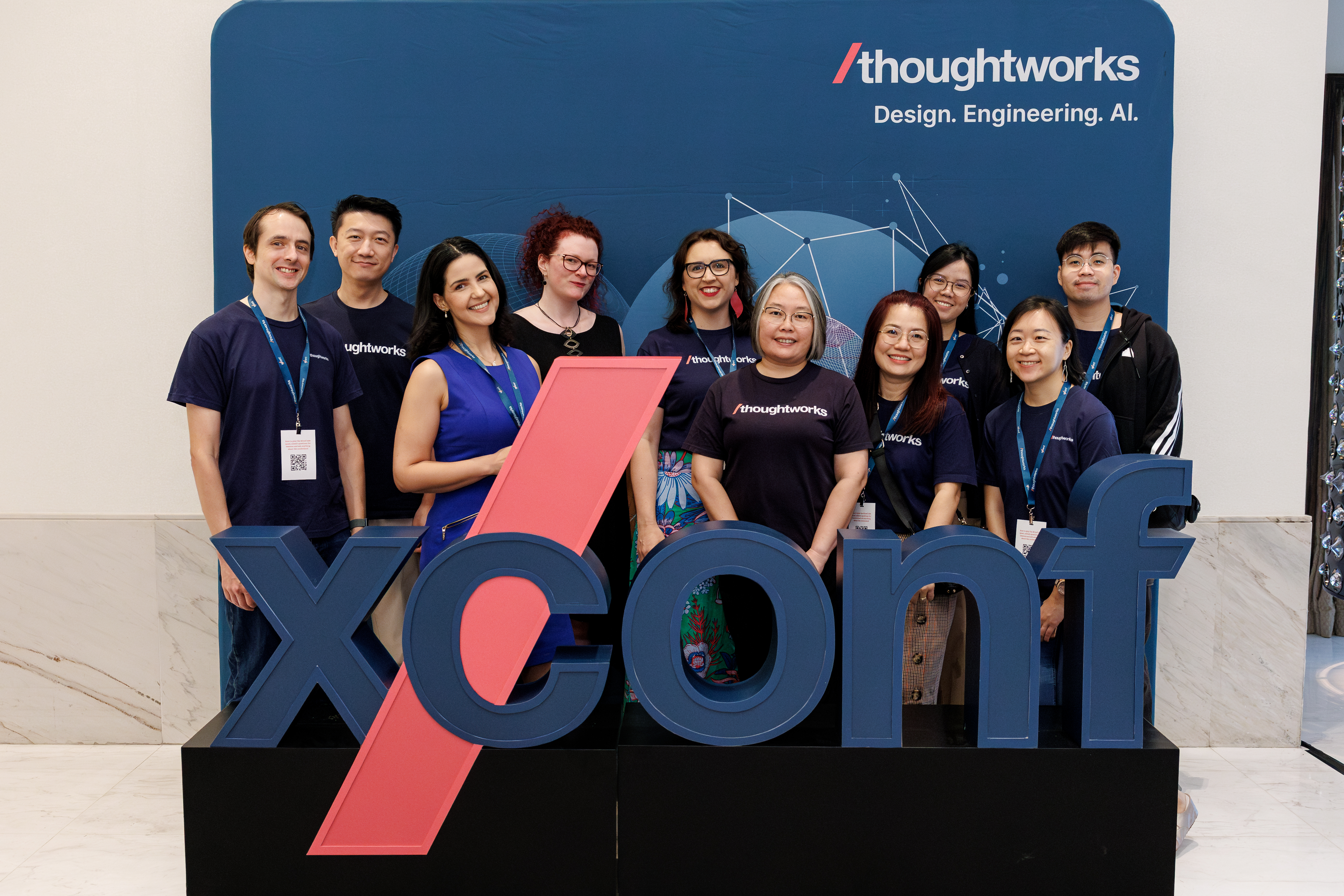
XConf is an annual event where we share ideas and learnings with our clients and the broader technology community. I’ve been part of the selection committee for several years, and one thing is clear: a diverse program is something we actively work towards, it doesn’t happen by accident.
Fundamentals
It starts with clarity. What are we aiming for, and what does success look like?
Having clear goals matters, especially when the work is complex. For us, that includes reflecting our aspiration of 40% women or gender-diverse representation in tech. It also means ensuring the selection committee itself reflects a diversity of perspectives. This is a critical foundation.
Exploration phase
From the outset, we focus on making the call for papers as open and accessible as possible.
By “open”, we mean reducing barriers to entry. Many underrepresented groups — including women, gender-diverse individuals and people with disabilities — have valuable ideas and experiences to share, but may be less likely to put themselves forward. This can be influenced by many factors, from confidence to prior experiences of not being heard.
To address this, we encourage submissions in the form of raw ideas rather than polished proposals. This lowers the barrier for everyone and allows us to see a broader range of thinking.
We also proactively engage with teams, visiting projects and talking to people about their work. Often, individuals don’t immediately recognize the value of their own insights. The committee, drawing on collective experience, helps surface and shape these ideas, encouraging more people to participate.
All of this helps to widen the pipeline.
Narrowing phase
Once submissions close, we begin with a blind review, focusing purely on ideas and how they align to the themes we want to highlight.
After that, we reintroduce speaker context and consider a few additional dimensions:
Experience mix: Are we balancing new and experienced speakers? Sometimes this means supporting emerging voices or suggesting experienced speakers mentor others.
Geography: Are we bringing in perspectives from different regions and cultural contexts?
Gender diversity: Does the program reflect the diversity we’re aiming for? If not, we explore ways to strengthen it, whether through co-presenting, expanding speaker groups or providing additional support.
Bringing together a well-rounded program takes time and care.
So when you see a panel that lacks diversity, it may not be due to a lack of expertise. It can also reflect the level of effort and time invested in finding and supporting a broader set of voices. Many experts are less visible or less experienced on stage, and without intentional support, they can be overlooked.
Backstage
The work doesn’t stop at selection.
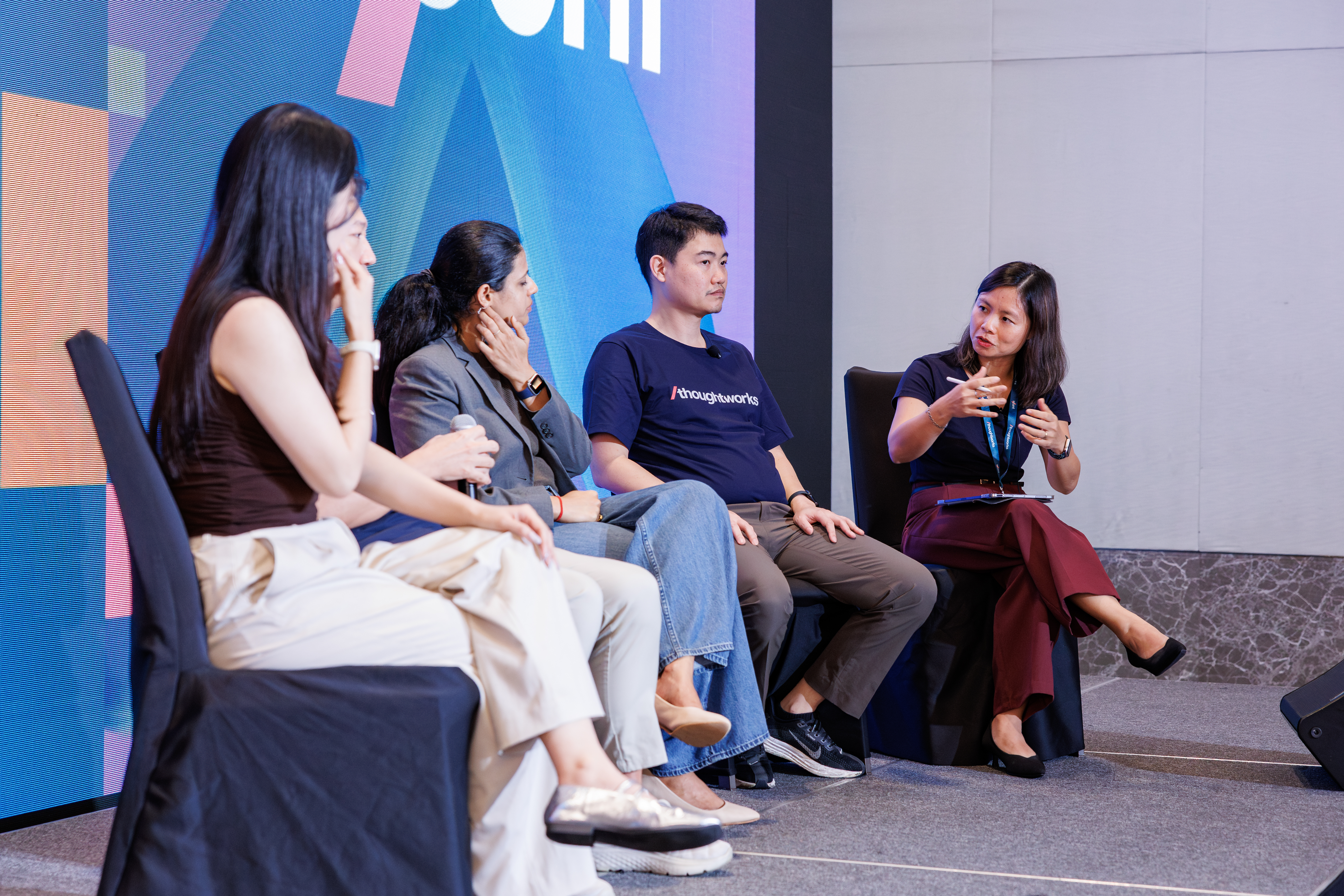
We invest in supporting speakers through mentoring, practice opportunities and formats like panels that make it easier for new voices to participate. These approaches reduce barriers and build confidence, creating space for more people to share their ideas.
Importantly, these support systems benefit everyone. They help ensure that regardless of background or prior experience, speakers feel prepared and supported to take the stage.
Diversity doesn’t come from good intentions alone. It comes from the choices we make, the effort we put in and the standards we hold ourselves to.
Whether it’s a conference, a hiring process or how we recognize and elevate ideas, the same principle applies: if we want different outcomes, we have to design for them.
The good news is that when we do, the results are not just more equitable; they’re also richer, more interesting and ultimately better for everyone.
Disclaimer: The statements and opinions expressed in this article are those of the author(s) and do not necessarily reflect the positions of Thoughtworks.