













Careers at Thoughtworks
Rethinking leadership: How a sabbatical transformed a CIO into a coding intern [part two]


When you think of a sabbatical, what comes to mind? A chance to unplug, travel or finally tackle that stack of books gathering dust? For Jessie Xia, Chief Information Officer of Thoughtworks, it became a chance to dive into uncharted territory.
Rather than taking a break, Jessie decided to dive headfirst into the world of AI-enabled programming. She joined Thoughtworks’ Global IT Services Delivery (GITS) Hub in Wuhan, China, as a coding intern — a bold move for someone who had spent 20 years leading teams. Despite her extensive leadership experience, coding was the one role she had never explored.
This two-part series takes you behind the scenes of Jessie’s sabbatical-turned-internship. From her first day staring at a screen full of code to the lessons she learned about AI, leadership and herself, this is a story about curiosity, humility and the courage to start from scratch. Along the way, we’ll hear from her mentor, Zhang Wei, a Senior Consultant in our GITS team, who shares his perspective on guiding a senior leader through this unique learning experience.
Jessie: After 20 years at Thoughtworks, I’ve earned three sabbaticals. My first two were traditional — I traveled and recharged. For my twentieth anniversary, I initially planned to do the same.
But last November, a conversation with Weiwei (Zhang Wei) and Wayde (Sun Wei) in our GITS team changed everything. They were seeing five times productivity gains using a method they’d developed called Structured Prompt-Driven Development (SPDD). The challenge wasn’t the tech but the habit migration — getting 200+ engineers to change how they think and work.
I realized I had a gap. In 20 years, I’d done every role except coding. I always saw it as a mountain I didn’t have time to climb. AI lowered that entry bar. I decided to use my leave to be the user — to see if I could learn this method from scratch and understand what was blocking our teams from adopting it.
Zhang Wei: My first thought was: Is this for real? I always thought leaders focused on the big picture — strategy, priorities and key decisions — not the engineering details.
But Jessie changed my mind completely. She didn’t just come to experience it; she used her sabbatical time to dive into the real work. She went from understanding concepts to breaking down problems and even checking code line by line.
I realized she wasn’t doing this just to learn how to write code. She was training a much rarer skill: judgment. She was learning how to make solid decisions when you don’t have enough data or information.
This was a big lesson for me. We often ask, “How can someone make good decisions without doing the hands-on work?” I saw the answer: by constantly learning and testing abstract ideas in the real world. I basically watched someone train their decision-making system from the ground up.
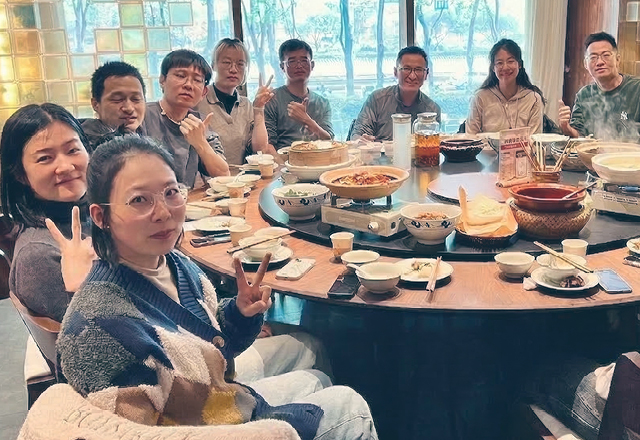
Jessie: Honestly? My head was exploding.
Because of Thoughtworks’ flat culture, the ego shift was easy. I was happy to be a humble intern. But the cognitive load was intense. Facing a screen full of code, chat logs and context for the first time as a creator was total sensory overload. That first night, I couldn’t sleep because my brain was spinning, trying to process these new patterns.
But by day two, things shifted. Using SPDD, code stopped looking like “the wall” and started looking like a logic puzzle I could solve. It felt like my brain was being rewired, moving from guessing based on experience to landing results through structure and verification.
Zhang Wei: We didn’t start from scratch. Our SPDD method was already proven on real projects.
We designed Jessie’s learning in three stages:
Stage 1 (Sandbox): Hit a wall in a safe place. This wasn’t to be mean but to let her feel the pain and understand why structure and rules are essential.
Stage 2 (Copilot): Shadowing on a real project. Many people fear slowing down the team when using SPDD for the first time. This stage erased that fear by showing her the full process in action.
Stage 3 (Pilot): Taking ownership. By this stage, it wasn't about generating code. It was about controlling the AI's direction and boundaries to get the job done.
We didn't give her a comfortable simulation. We threw her into real work with real pressure. Because of that, she had to be incredibly focused. After pairing with me all day, she would study engineering concepts at night and come back with new questions. She was acting like a real team member.
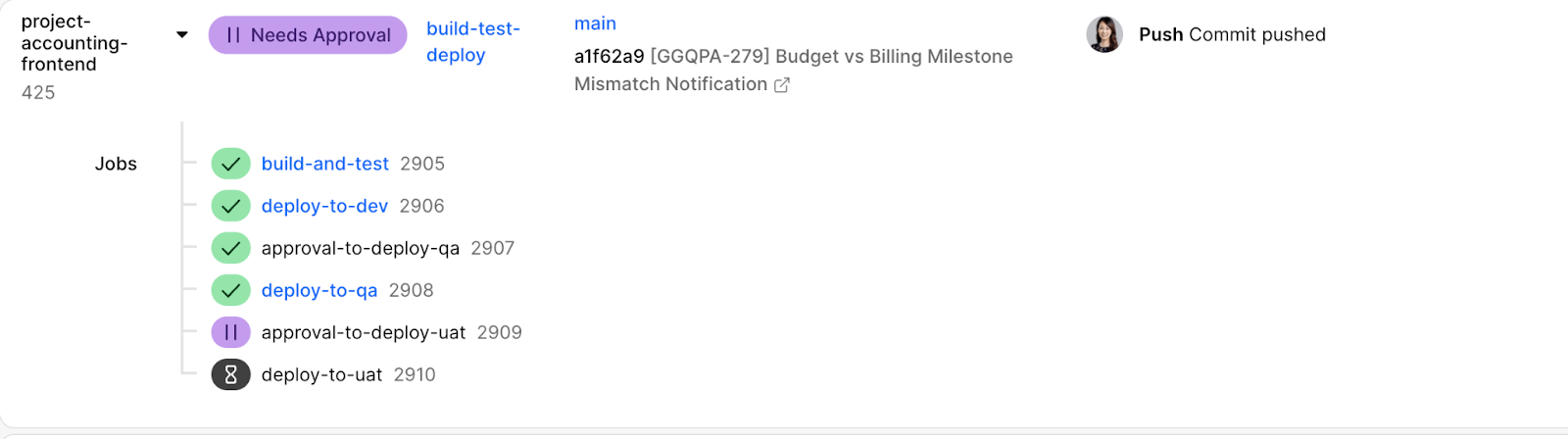
Jessie: That "chat-and-see" approach is called vibe coding. It’s fine for quick prototypes, but dangerous for enterprise systems. It creates "AI spaghetti code" that works now but is a nightmare to maintain later.
In GITS, we treat prompts as first-class engineering artifacts. We use a structure called the REASONS Canvas to lock in intent before generating a single line of code.
The biggest lesson for me was that speed doesn't come from typing; it comes from understanding. In my second week, we finished a five-point card in just four and a half hours. But we spent two and a half hours, over 55% of that time, on analysis and design. By “sharpening the axe" first, the AI-generated code was high-quality, met our standards, and required almost zero rework.

Zhang Wei: Our days had a simple but solid routine.
We’d start by syncing our calendars, then we’d pair up for the day’s tasks, setting goals, breaking down problems and reviewing code using structured prompts.
I wouldn’t just give her answers. I’d explain why I was doing something and she’d push back with questions like, “What’s the value of this step?” or “Where are the boundaries?” This turned our work into a way to sharpen our thinking, not just complete tasks.
Before leaving, we’d review: What did we learn? What’s the plan for tomorrow? This routine turned daily work into lasting knowledge.
Jessie’s first steps into AI-enabled programming were anything but easy. From the mental shift of going from CIO to intern to the overwhelming cognitive load of facing a screen full of code, her journey began with challenges that tested her resilience and curiosity.
But as she embraced the SPDD methodology and started to see code as a solvable puzzle, Jessie’s confidence grew. Her experience highlights an important truth: even seasoned leaders can find value in stepping into unfamiliar territory. To not only learn new skills but to better understand the challenges their teams face.
In Part Two, we’ll explore the technical hurdles Jessie overcame, the mentorship dynamics with Zhang Wei and the leadership lessons that emerged from this unique experience. Stay tuned!
Disclaimer: The statements and opinions expressed in this article are those of the author(s) and do not necessarily reflect the positions of Thoughtworks.