














Article
The operating system for enterprise AI

Take part in the Technology Exchange


The AI landscape has evolved so rapidly that enterprise adoption has taken shape incrementally, model by model and team by team. With model performance, pricing and availability continually shifting, managing AI as a portfolio has become a strategic imperative.
Central to this is the learning loop generated through enterprise AI use: the data, feedback and evaluation assets that shape how AI systems improve over time. Retaining ownership and governance of that learning loop helps ensure intelligence compounds within the enterprise rather than outside it.
Done well, this approach builds proprietary intelligence, improves token unit economics and gives enterprises greater control over how their estate evolves.
This Technecology Exchange will explore the critical choices shaping the hybrid AI estate:
Event details
Date: Thursday, 29 October 2026
Time: 5:30 - 9:00pm AEST
Location: Sydney CBD (to be confirmed upon registration)
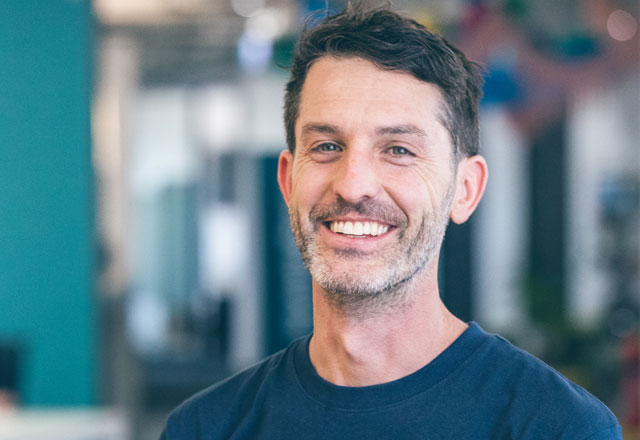
Global Vice President of AI Factory, Thoughtworks
Andy helps enterprises move AI from experimentation into reliable, production-scale capability. Through Thoughtworks’ AI Factory, he focuses on the strategic and engineering choices needed to scale AI safely and economically, including agentic AI, AI-ready data foundations, model selection, managed inference, GPU infrastructure and governance.

Principal Product & Experience Strategist | Director of Product - AI Factory, Thoughtworks
In the role of Director of Product for AI Factory, Luke helps shape product portfolio and roadmap. He's focused on enabling customer success for our clients, with a clear goal to ensure the value generated from client investment in AI scales disproportionately in relation to their spend, engagement, adoption and enablement built into the product rather than bolted on after the fact.

APJ Data Engineering Field CTO Manager, Snowflake
Joel leads regional technical strategy to advance data engineering adoption and platform growth across APJ. With more than 18 years’ experience across enterprise data, analytics and AI, Joel specialises in connecting complex technical architectures with strategic business outcomes. He has held leadership roles at Snowflake, Databricks and Cloudera, building specialist teams across ANZ.

Govern, observe and optimize your agentic workforce with Agent/works™ by Thoughtworks, the enterprise governance platform for agents.

