


Sé parte de la XConf Americas 2026


Durante más de una década, XConf, organizada por Thoughtworks, ha sido una conferencia creada por y para tecnólogos, con un enfoque en el desarrollo de software y su impacto en el mundo. El evento explora las ideas que dan forma al presente y al futuro de la tecnología.
Tu presencia tiene un propósito mayor: el valor total de tu entrada será donado a PrograMaria, una organización pionera en la inclusión de mujeres en el mercado laboral tecnológico. Obtén más información en https://www.programaria.org/
Nos vemos pronto en XConf Americas 2026, una celebración de la tecnología, el aprendizaje y el impacto positivo.
Keynote
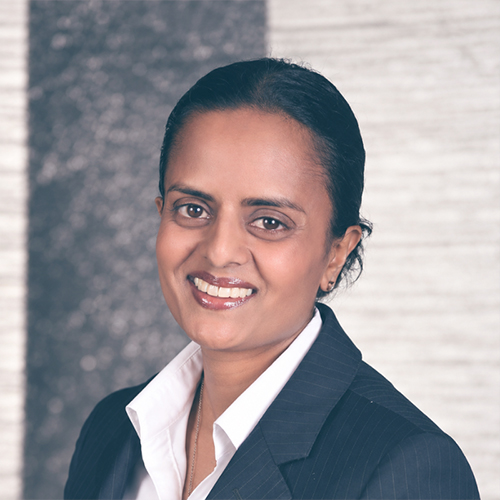
Kiran Rouzie
Global Head of Organizational Transformation & Change, ThoughtworksKiran Rouzie es Global Head of Organizational Transformation & Change en Thoughtworks. Líder de tecnología, coach certificada y experta en gestión del cambio, trabaja con líderes y organizaciones para gestionar cambios complejos, fortalecer la adopción y desarrollar equipos de alto desempeño. Su trabajo conecta la tecnología con el lado humano del cambio, ayudando a las organizaciones a convertir sus inversiones en tecnología en resultados de negocio concretos.

Chris Kramer
Head of AI - Americas, ThoughtworksChris Kramer es Head de IA para las Américas en Thoughtworks, con 15 años de experiencia en machine learning y arquitectura de datos. Se especializa en sistemas agénticos, harness engineering, gobernanza de IA e implementación de IA a escala empresarial. Reconocido como Google Developer Expert y distinguido por Insight250, Chris también es editor técnico del libro Fundamentals of Software Engineering, de O’Reilly, y tiene una maestría en Ciencias de la Computación (IA) por la Universidad de Denver. En 2026, ganó el desafío “Agentic AI in Cognitive Warfare” de la OTAN, en el que compitieron 90 participantes.

Nate Schutta
Regional CTO, ThoughtworksNate Schutta es CTO Regional en Thoughtworks, arquitecto de software y Java Champion, especializado en computación en la nube, arquitectura de software y experiencia del desarrollador. Es un conferencista internacional con amplia experiencia y profesor adjunto en la Universidad de Minnesota. Ha escrito y coescrito varios libros, entre ellos Presentation Patterns, Thinking Architecturally, Responsible Microservices y su publicación más reciente, Fundamentals of Software Engineering. Comparte regularmente sus conocimientos en conferencias y comunidades tecnológicas de todo el mundo.
Speakers
-
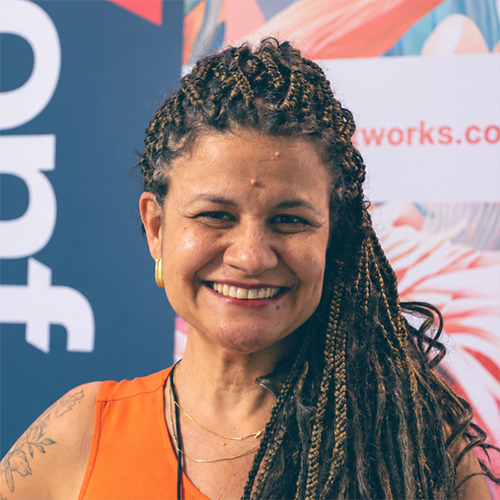

Clarissa Martins, Executive Client Partner - Host
-


Grazi Mendes - Head of diversity, equity and inclusion Americas, Thoughtworks
-


Stepheson Mesquita - Talent Acquisition Senior Manager, Thoughtworks
-


Iana Chan - Founder & CEO, PrograMaria
-


Mariana Zaparolli, Director of Digital Capabilities and Accelerators - LATAM Airlines
-


Gabriel Leite - Software Development Engineer, AWS
-
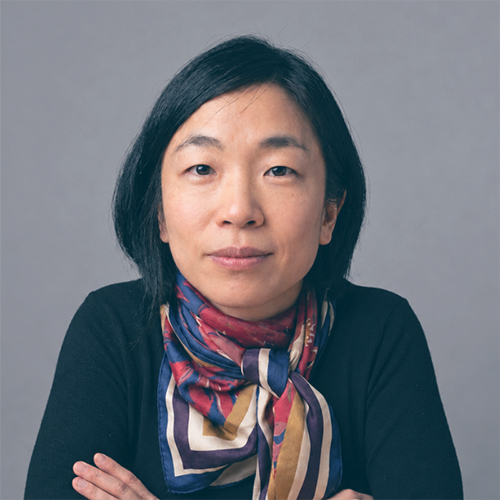

Regina Murakoshi - Principal Tech Partner & Product Manager, Thoughtworks
-


Susana Burgos - Context Lead, Product Enablement & Agility, LATAM Airlines
-


Carol Sousa - Lead Project Manager, Thoughtworks
-
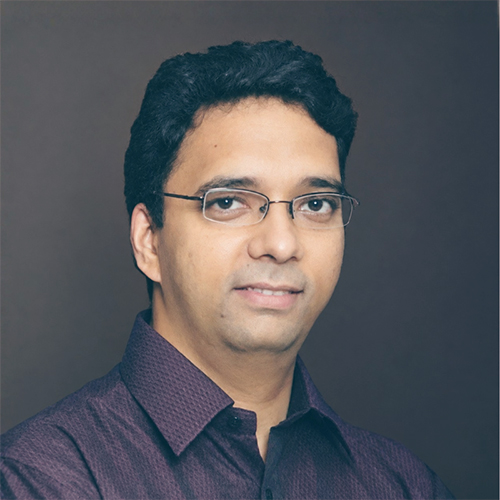

Premanand Chandrasekaran - Tech Director, Thoughtworks
-
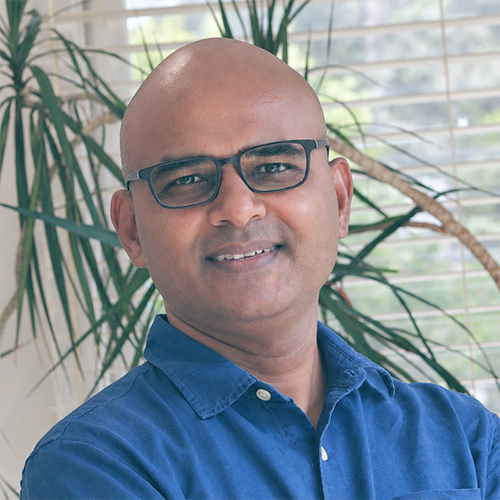

Pramod J. Sadalage - Distinguised Engineer, Thoughtworks
-


Javiera Laso, Lead - Tech Lead/Solutions Architect, Thoughtworks
-


Thuany Junqueira - Lead Data Scientist, Thoughtworks
-


Rafael Morelo, Senior Director of Data, AI & Analytics - Grupo Guanabara
-


Shea Clark-Tieche - Principal Tech Partner & Product Manager, Thoughtworks
-


Jason Wolfe, Strategist, EMPC - Thoughtworks
-
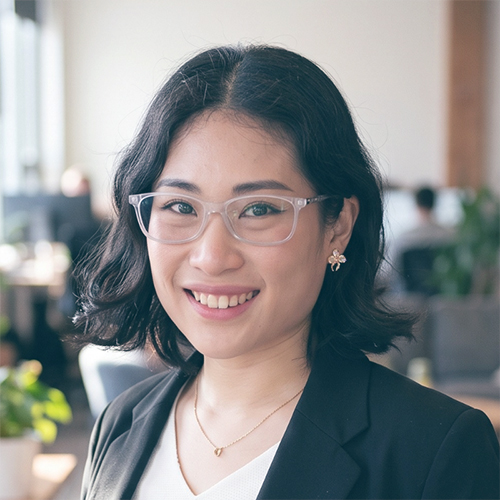

Jeen Suratriyanont - Experience Designer, Thoughtworks
-


Fabio Leite - Senior QA Engineer, Thoughtworks
-


Andrea Santacruz - Developer, Thoughtworks
-


Slin Castro, Technical Principal - Thoughtworks
-


Tom Clement Oketch - Infrastructure Engineer, Thoughtworks
XConf Americas 2026 - Agenda
7:45 - 8:30
8:50 - 8:55
Renan Martins, Alexey Boas & Damian Knoop
9:00 - 9:40
Chris Kramer - Head of AI - Americas (Thoughtworks) & Nate Schutta - Regional CTO (Thoughtworks)
When an AI agent fails in production, the model isn’t always the problem. Brittle context handling, weak tool contracts, missing evaluation loops, and guardrails added too late can undermine even the most capable models.
This session makes the case for harness engineering as a first-class delivery discipline, exploring the components and design patterns behind reliable agents.
Drawing on real-world examples, it shows why simply switching to a bigger model can mask deeper problems and where teams should focus their effort when building agents that need to perform beyond the demo.
10:00 - 10:40
Grazi Mendes (Thoughtworks), Stepheson Mesquita (Thoughtworks), Iana Chan (PrograMaria) & Mariana Zaparolli (LATAM Airlines)
AI agents are changing how technology teams work, taking on tasks that have traditionally been part of the learning journey for junior technologists. As productivity accelerates, the path to learning and expertise is changing too.
This panel explores the tension between AI-amplified performance and genuine expertise, the experiences that remain essential for developing critical thinking and judgement, and the evolving meaning of seniority in technology. The conversation will also examine how these changes could reshape access and opportunity, creating new pathways for some while potentially introducing new barriers for the next generation of tech talent.
10:45- 11:05
Gabriel Leite (AWS)
In this session, we'll explore how AI can be used in software development processes, with a focus on spec-driven development. We'll discuss how this approach can help teams accelerate development and how to get started with its adoption.
11:10 - 11:30
Regina Murakoshi (Thoughtworks), Carol Sousa (Thoughtworks) & Susana Burgos (LATAM Airlines)
LATAM Airlines reduced P85 Time to Market by 69%, from 275 days to 85 days, across more than 20 squads using an AI-native product development lifecycle. But the biggest impact didn’t come from generating code. It happened earlier, in Discovery and Definition. This session shares the results of a six-month study, including audited metrics and validated hypotheses, showing how AI helped improve decision artifacts and reduce Build time by 84%. It offers a practical, evidence-based look at scaling AI across software delivery with measurable business results.
11:35 - 11:55
Premanand Chandrasekaran (Thoughtworks) & Pramod Sadalage (Thoughtworks)
As AI moves from chatbots to autonomous agents, the challenge is shifting from smarter models to the data they rely on. Agentic systems need more than searchable information. They need data that is trusted, contextual, traceable, governed and ready to support real-world actions. This session explores the data foundations behind dependable agentic AI, from architecture and governance to the operational practices that help move AI beyond promising demos and into resilient production systems.
12:00 - 13:15
13:20 - 13:40
Javiera Laso (Thoughtworks)
A backlog of more than 3.8 million unclassified images, documents, and videos would have required nearly 100,000 hours of manual work, creating a significant operational burden at enterprise scale. This session explores how a production-grade machine learning workflow automated asset classification with approximately 97% accuracy, using a secure, resilient, and event-driven cloud architecture built to process millions of assets without disrupting existing services. It also shares how the solution became a reusable foundation for bringing machine learning into enterprise products and enabling future intelligent automation.
13:45 - 14:05
Thuany Junqueira (Thoughtworks) & Rafael Morelo (Grupo Guanabara)
Grupo Guanabara began modernizing a complex ticket pricing system involving machine learning, real-time decisions, business rules, and specialized expertise. But the solution became the starting point for something bigger: building the technological foundations of a data-driven organization. This session explores how a modular architecture on AWS, a modern MLOps ecosystem, and shared AI capabilities helped move beyond a standalone machine learning initiative, creating a foundation for new AI products, intelligent agents, and human-in-the-loop decision-making.
14:10 - 14:30
Shea Clark-Tieche (Thoughtworks)
What if you could test what works before committing to a major technology investment? Working with a Fortune 50 retailer on a $400M vendor income leakage opportunity, the team used small, AI-assisted experiments to test data readiness, contract capture and leakage scenarios before building anything. This session explores how that experiment-led approach turned a complex opportunity into a validated, prioritized roadmap in weeks rather than quarters, and offers a repeatable way to de-risk large-scale platform investments before writing production code.
14:35 - 14:55
Jason Wolfe (Thoughtworks)
GenAI is changing who builds software and what they expect from internal platforms. As functional applications can increasingly be created using natural language, the challenge shifts from building a prototype to getting it safely and rapidly into production. Drawing on real-world lessons from Thoughtworks and Meta, this session explores how platform engineering is evolving from reusable components toward agentic skills, orchestration and governance, enabling greater speed without compromising security or quality.
15:00 - 15:30
15:35 - 16:15
Kiran Rouzie - Global Head of Organizational Transformation & Change (Thoughtworks)
AI investment doesn’t automatically translate into business value. Even well-funded initiatives can stall after rollout if people aren’t using AI confidently and competently in their daily work.
Organizations seeing results aren’t just deploying AI faster. They’re focusing on how adoption actually happens. This keynote explores the human side of AI and the connection between adoption, utilization and ROI, and how organizations can bridge the gap between AI investment and measurable business value.
AI adoption isn't the finish line. Business value is.
16:35 - 16:55
Jeen Suratriyanont (Thoughtworks)
Design systems were built for human designers and developers. Now AI agents are designing interfaces, writing code, reviewing pull requests and maintaining products, becoming a new kind of consumer of those systems. Drawing on experiments building an agentic design system, this session explores how design systems can evolve beyond component libraries into structured knowledge AI can understand and act on, why traditional documentation may no longer be enough, and the principles teams can use to make their design systems AI-ready.
17:00 - 17:20
Fabio Leite (Thoughtworks)
AI is accelerating software development, but quality feedback can still be slow, complex and increasingly non-deterministic. Adding more automation or LLM-based evaluations can help, but it can also introduce another feedback loop to maintain. This session explores a practical path from probabilistic evaluations to deterministic checks embedded in the software development lifecycle. It looks at how teams can use evaluations to understand complex quality problems, identify what can be verified deterministically, and turn those insights into fast, repeatable and trustworthy checks that keep pace with AI-assisted and agentic software delivery.
17:25 - 17:45
Andrea Santacruz (Thoughtworks) & Slin Castro (Thoughtworks)
AI can generate code in seconds, but building software you can trust is still the hard part. After working with AI-powered products, coding agents and context-aware platforms, the limits of vibe coding become clear as code generation accelerates and intuition alone stops being enough. Drawing on real-world successes, failures and lessons learned, this session explores the shift from prompt to context engineering, why manual review no longer scales, and how specifications, automated validation and deterministic engineering practices can help keep AI-assisted software reliable, maintainable and production-ready.
17:50 - 18:10
Tom Clement Oketch (Thoughtworks)
Modern observability assumes you can put an agent on the machine. But when customers lease GPU infrastructure, that assumption breaks: the hardware is yours to keep running, yet the contract says you can't log in. This session shares lessons from building observability for a GPU cloud provider running more than 18,000 GPUs. It explores signals across GPUs, hosts, network fabrics, power and liquid cooling: what remains observable without in-band access, what lower-fidelity alternatives cost, and which questions become impossible to answer.
18:15 - 18:25
Renan Martins, Alexey Boas & Damian Knoop
18:30 - 19:30
AWS room
12h00 - 12h20 & 17h55 - 18h15
Juliano Domingues (Thoughtworks)
Veja o AI/works em ação em uma demonstração prática focada na modernização de sistemas existentes. Utilizando uma aplicação Java do setor de saúde, esta sessão explora como o AI/works analisa o código existente para identificar a arquitetura do sistema, suas dependências e regras de negócio, transformando esse conhecimento em especificações estruturadas que podem apoiar os esforços de modernização.
Conheça a abordagem da Thoughtworks para o desenvolvimento com agentes de IA e descubra como o AI/works pode ajudar as equipes a compreender melhor sistemas complexos e acelerar sua modernização. Ao final, haverá espaço para perguntas e respostas.
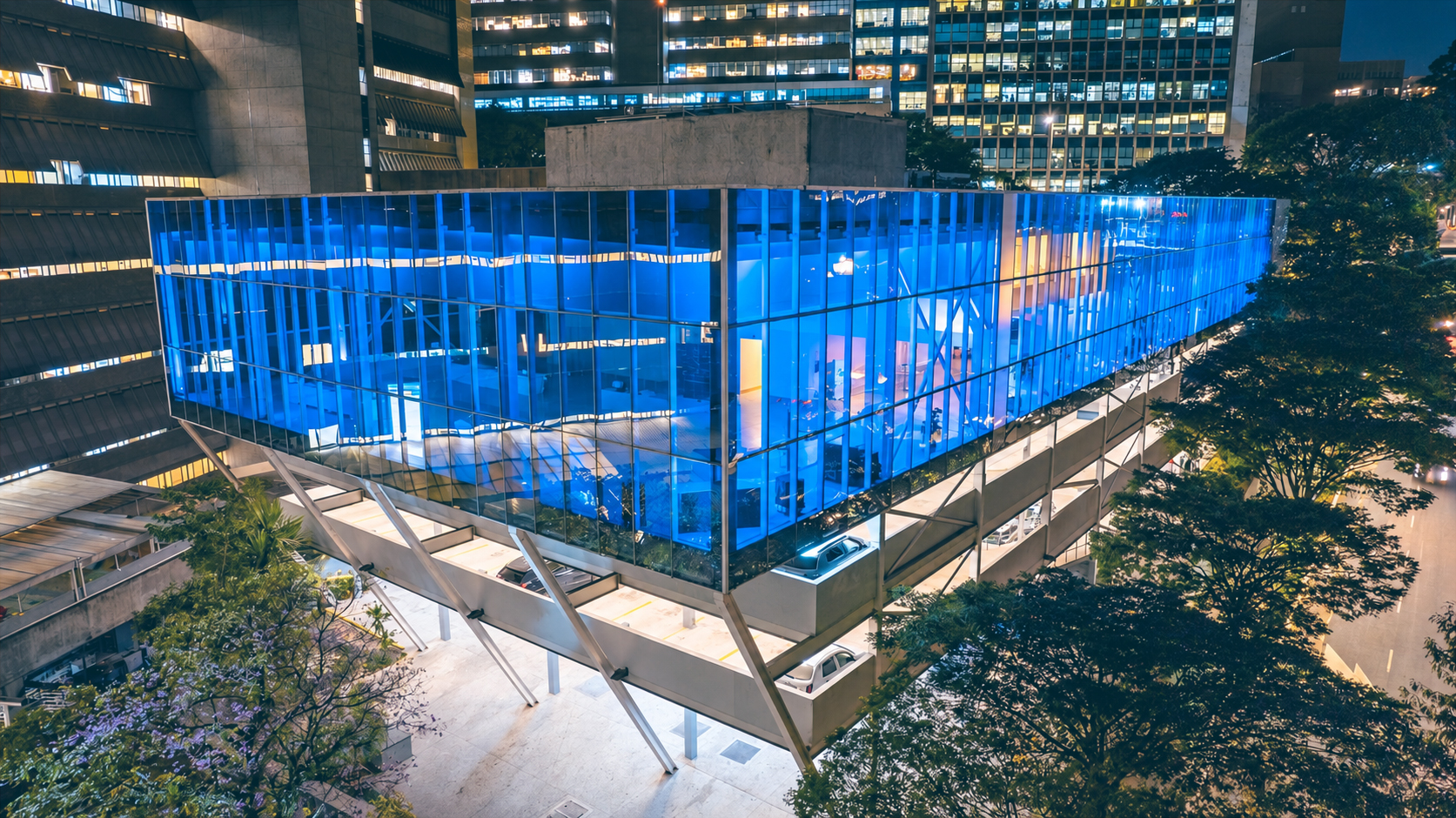
Centro de Convenciones Rebouças
El evento se llevará a cabo en el Centro de Convenciones Rebouças, ubicado cerca de las avenidas Paulista, Rebouças y Arnaldo, con fácil acceso desde las estaciones Clínicas (Línea 2-Verde) y Oscar Freire (Línea 4-Amarilla) del metro.
Cómo llegar:
Entrada peatonal: Av. Dr. Enéas Carvalho Aguiar, 23.
Estacionamiento: Av. Rebouças, 600.
El recinto es accesible para personas con discapacidad o movilidad reducida.
¿Por qué asistir a XConf?
Obtén acceso a ideas prácticas de algunos de los tecnólogos más respetados de la industria. Te llevarás ideas y herramientas que podrás aplicar de inmediato para fortalecer tu habilidad técnica.
Conéctate con personas expertas, clientes, socios de Thoughtworks y otras personas apasionadas por la tecnología. Cada conversación es una oportunidad para expandir tu red y generar nuevas oportunidades.
Vete con nuevas perspectivas y la confianza para impulsar la innovación dentro de tu equipo y organización.
Contamos con el apoyo de AWS
Amazon Web Services (AWS) se suma a XConf Americas 2026 como patrocinador, apoyando una nueva edición del evento que reúne a la comunidad tecnológica para compartir conocimientos, experiencias y nuevas ideas.